How can I prepare for a stay in hospital?
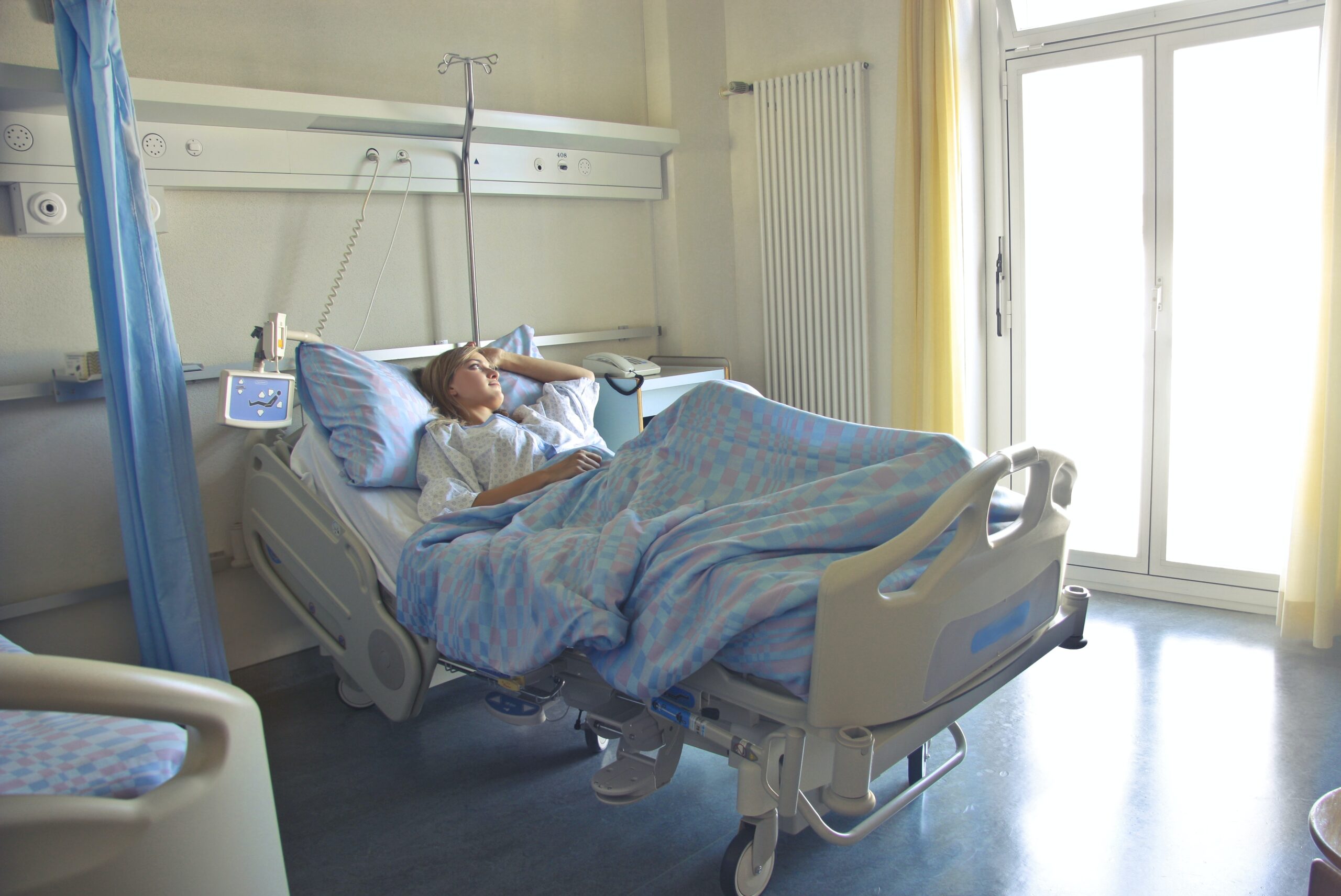
If you have a period in hospital coming up, it’s natural to feel daunted. Aside from concerns about your treatment, you may have questions about other aspects of your stay.
Our guide to preparing for an inpatient hospital stay will put your mind at rest. Covering topics such as packing for a hospital stay, staying in touch and wearing a medical ID, we present a checklist to help you prepare.
Read on and start planning your hospital stay with confidence.
Understand your treatment
Before you even step foot inside the hospital, make sure you understand the treatment you will be going in for.
You will have the chance to ask questions at your pre-op or pre-treatment consultation. It’s helpful to write a list of things to ask before you attend, such as:
- Will I be offered a general or local anaesthetic?
- Where will I be taken straight after my operation or treatment?
- When can I go home after treatment? (You can find out more information on the average length of stay for various procedures on the Australian Institute of Health and Welfare website.)
- How long is the recovery time?
- Will I need physiotherapy or some other type of therapy?
- When will my follow-up appointment take place?
If you feel uncomfortable asking questions, appoint a friend or family member to advocate for you. Your healthcare professional will not be offended and, in fact, will be used to this practice!
Get to know the hospital routine
Knowing the hospital routine will be another step towards putting your mind at ease.

Find out as much as you can about the ward where you will be staying. It helps to know:
- Where is the ward situated in the hospital?
- Is there a day room where you can socialise with other patients?
- When are meals served?
- Can you or your friends or family bring in extra food?
- What are the visiting hours?
- What time will you be woken up and when is “lights out”?
- Is WiFi available?
- Can you leave the ward to walk around the hospital if you are able?
- Will you have the same nurse throughout your stay?
Again, don’t be afraid to get a trusted friend or relative to ask questions on your behalf if you prefer.
What you should pack
There won’t be much space around your hospital bed to store personal items, so remember to pack light.
You should also avoid taking items of value or sentiment.
Here’s our checklist of what to include in your hospital bag:
- At least two sets of comfortable nightwear (if you have a prolonged hospital stay planned, a friend or relative can bring in more)
- Loungewear for days when you want to get dressed
- Any medication you are currently taking
- Your mobile phone and charger
- Any other electronic devices you need
- Headphones
- Ear plugs and eye mask to help you sleep
- Wash bag with your usual toiletries
- Slippers
- Non-perishable snacks
- A small amount of money so you can buy newspapers, magazines or snacks from the hospital shop
If you do need to bring in anything valuable, ask a member of staff to lock it away in a safe place during your stay.
Communicating while you are in hospital
Hearing from loved ones is a morale booster for anyone in hospital.
As mentioned in the packing checklist, make sure you have your phone and charger with you so you can stay in touch.
But you should be mindful of other patients when you use your phone. Ask if there is a day room where you can make phone calls without disturbing others.
Be aware of rest times on your ward too. You may be discouraged from making or receiving calls during these hours to enable you and the other patients to rest.
Don’t forget your medical alert bracelet!
One small item that can make a huge difference to your peace of mind while you are in hospital is a medic alert wristband.
Medical IDs in the form of bracelets can give vital information about all sorts of conditions. They’re invaluable if you are unable to communicate with your doctor, nurse or other healthcare professional.
For example, if you’re allergic to a common drug such as penicillin, you can have a medic alert bracelet customised with this information.

They can also alert staff to the fact that you are at risk of falls or suffer from a condition such as epilepsy.
In fact, they can be customised with any condition or medication, putting your mind at rest while you are in hospital.
We’re here to help you
By the time you’ve read this checklist, you should be feeling more positive about your stay in hospital.
It’s good to know that there is plenty you can do to prepare, making you feel more in control as you face your healthcare challenges.
And Mediband is here to help you. We offer a comprehensive range of med alerts and IDs in a range of colours and materials. We recommend our silicone medical bracelets for a stay in hospital. They’re durable, non-toxic and easy to keep clean. Best of all, they can help put to rest any fears about your hospital stay!
15 Jun 2021

Share on Facebook

Share on X

Share on Pinterest
Comment(s)
Recent Posts